
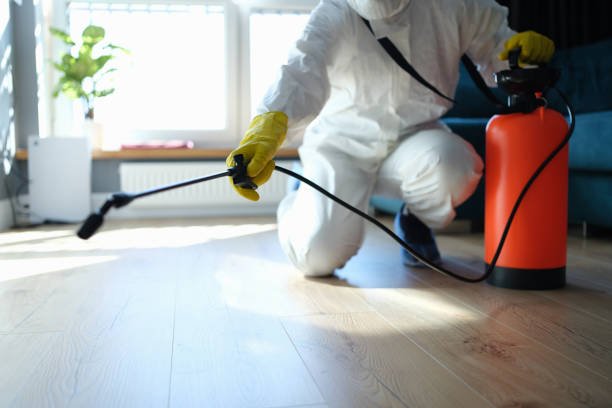
Rodents are often dismissed as a minor inconvenience, but their presence can lead to serious health and safety concerns within a property. Beyond the visible damage they cause, these pests can affect indoor air quality and introduce harmful contaminants into living spaces. Understanding these risks highlights the importance of acting quickly and effectively. This is why professional rodent control in Ipswich strategies focus not only on removal but also on preventing further exposure to health hazards.
- Disease Transmission and Contamination Pathways
Rodents are known carriers of various diseases, many of which can spread without direct human contact. Their droppings and urine can dry out and break into fine particles, becoming airborne and potentially inhaled. This creates a risk for respiratory issues, especially for individuals with asthma or weakened immune systems. Food contamination is another major concern, as rodents can access pantry items and leave behind bacteria through their saliva and fur. Even surfaces they travel across; such as countertops or storage areas can become contaminated. Thorough cleaning and sanitation are essential steps before and after any treatment process. Professionals in rodent control Ipswich emphasize that addressing contamination early helps reduce health risks and prevents further spread.
- Structural Damage and Fire Hazards
The impact of rodents goes beyond hygiene concerns and can extend to serious structural damage. Their constant gnawing behaviour targets materials like wood, plastic, and even electrical wiring. Damaged wires pose a significant fire risk, often hidden behind walls where the problem may go unnoticed until it becomes severe. In addition, rodents can chew through plumbing, leading to leaks that encourage mould growth and weaken building structures over time. Insulation is another common target, as it provides a warm nesting environment. Once disturbed, insulation loses its effectiveness and may even contribute to fire hazards if combined with nesting debris. Identifying these risks early is a key part of maintaining a safe property.
- Seasonal Patterns and Population Growth
Rodent activity tends to follow seasonal patterns, which can influence how infestations develop. During colder months, rodents are more likely to move indoors in search of warmth and reliable food sources. As temperatures rise, breeding activity increases, leading to rapid population growth if not managed early. Being aware of these cycles allows property owners to take preventive action before problems escalate. Routine inspections before seasonal changes can help identify entry points and potential nesting areas. Timing plays a crucial role in keeping infestations under control and avoiding larger issues later on.
- Integrated Management for Sustainable Results
Long-term rodent management requires a balanced and consistent approach. Sealing entry points, maintaining proper sanitation, and using targeted control methods all work together to create an effective system. Monitoring tools can also help detect early signs of activity, allowing for quick intervention. The most successful strategies treat the property as a whole, addressing both the pests and the conditions that attract them. By combining these efforts, rodent control in Ipswich becomes more efficient and sustainable over time.
Regular evaluation and maintenance are essential to keeping rodent problems from returning. Staying proactive not only protects the property but also ensures a healthier living environment for everyone inside.